
Wisconsin Attorney General Election: Who Will Win in 2026
Wisconsin voters head to the polls on November 3, 2026, to elect the state’s next attorney general. The office oversees the Wisconsin Department of Justice, handling criminal appeals, consumer protection, and election-law enforcement in a perennial swing state. Democratic and Republican candidates will compete to succeed the current officeholder in a race likely to draw national attention.
Why Markets Are Watching
Wisconsin’s attorney general wields significant authority over election disputes, voting rights litigation, and challenges to state or federal policy. As one of the nation’s most closely contested states, the outcome could shape legal battles well beyond Wisconsin’s borders. The race also serves as a bellwether for broader partisan momentum heading into other 2026 contests.
How Prediction Markets Frame the Race
The core question traders face is binary: will a Democrat or Republican claim the office. This isolates partisan control of a down-ballot but consequential post, stripped of the personalities involved. Markets effectively function as a running measure of perceived partisan strength in a swing state, reacting to statewide polling trends, fundraising, and shifts in the broader political environment as the election approaches.
Related terms
Total Volume
$29.5k
Kalshi $25.7k · Polymarket $3.8k
Leading Market
Josh Kaul
Kalshi 82% · Polymarket 71%
Josh Kaul Volume
$11k
Kalshi $9.4k · Polymarket $1.6k
Josh Kaul 24h Change
-2.00%
Kalshi 0.00% · Polymarket -2.00%
Latest Coverage
Insights
Key Senate Races
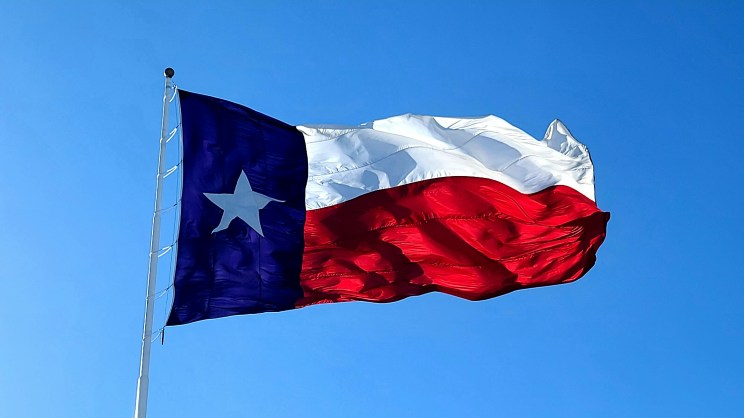
The High-Stakes Asymmetry of the Lone Star Battleground: Why Ken Paxton is the Mispriced Execution Opportunity of the Midterms
1 week ago
Related Events
Calculate Your Potential Return
- Kalshi(opens in a new tab) 7.0% fee
- Polymarket(opens in a new tab) 5.0% fee
| Market | Kalshi Yes | Kalshi Fee | Kalshi Payout | Polymarket Yes | Polymarket Fee | Polymarket Payout |
|---|---|---|---|---|---|---|
| Josh KaulDemocratic Party | 82.0¢ | 7.0% |
|
83.0¢ | 5% |
|
| Eric ToneyRepublican Party | 17.0¢ | 7.0% |
|
17.0¢ | 5% |
|
* Estimates if candidate wins. Actual returns may vary.
All Markets
Emerging News
Elections
Democratic-led states sue USPS over Trump mail voting order after Supreme Court setback
PN Team • 2 months ago
Roughly two dozen Democratic-led states and the District of Columbia, including Washington, Wisconsin, California and Pennsylvania, filed a new lawsuit against the U.S. Postal Service on August 26, challenging a rule implementing President Trump's executive order limiting mail-in voting ahead of the midterms. The suit, filed in a Massachusetts federal court, comes days after the Supreme Court lifted an injunction blocking part of the order, ruling the earlier Democratic challenge was premature rather than affirming its legality. California's suit followed shortly after, with Attorney General Rob Bonta calling the rule a "clear violation of the Constitution" and citing the state's heavy reliance on mail voting.
The USPS rule requires states to register mail voters into a new USPS database and get federal approval for ballot envelope designs featuring digital barcodes before ballots can be delivered; USPS says it won't deliver ballots to voters absent from the list or in noncompliant envelopes. State officials argue the rule violates the Constitution's assignment of election authority to states and risks disenfranchising voters this close to the election. The coalition seeks a temporary restraining order. Trump's original order remains blocked under a separate injunction, and the administration defends the rule as an election-security measure, though it remains unclear whether it will affect November's elections.
Sources:
Sentiment
- Donald Trump Trump's executive order is portrayed as legally contested and potentially disenfranchising voters ahead of midterms.
- Rob Bonta Bonta is shown actively defending constitutional rights and mail voting access, a favorable portrayal.
- United States Postal Service USPS is central to the controversy, enforcing a rule critics say risks disenfranchising voters.
- California California is depicted as a leading state defending mail voting rights against federal overreach.
- Democratic Party (United States) Democratic-led states are portrayed as defending voting access against a contested federal rule.
- Pennsylvania Pennsylvania is listed among states suing to protect mail voting access.
- Washington (state) Washington state is named among the states suing over the mail voting rule.
- Wisconsin Wisconsin is named among the states challenging the USPS rule.
- Massachusetts Massachusetts is mentioned only as the location where the lawsuit was filed.
- United States The United States is the setting for this domestic legal and political dispute.
- Washington, D.C. Washington, D.C. is mentioned as a co-plaintiff jurisdiction in the lawsuit.
Related Events
Related Events
Elections
Wisconsin officials clash over possibility of federal agents at polling places
PN Team • 1 month ago
Dane County Clerk Scott McDonell has criticized what he calls "complete silence" from Wisconsin's election commission and attorney general's office over how local officials should respond if federal agents appear at polling places on election day. The concerns follow FBI Director Kash Patel's refusal to rule out deploying federal agents to polls, part of a broader pattern of Trump administration officials raising the possibility of sending ICE or National Guard personnel to voting locations.
In response, U.S. Sen. Tammy Baldwin introduced legislation aimed at blocking the president from deploying ICE or the National Guard to polling sites this November. The threats have also spurred lawsuits against the FBI, the Department of Homeland Security, and the Justice Department, citing federal law that bars armed agents from polling places except to "repel armed enemies of the United States." Wisconsin's elections commission says it hopes to issue guidance before election day. McDonell warned the uncertainty alone could deter eligible voters from turning out.
Sources:
Sentiment
- Wisconsin Wisconsin is the setting for the controversy over election security and federal agent deployment, a largely factual context.
Related Events
Related Events
Elections
States press legal fight over Trump mail ballot order after Supreme Court sidesteps ruling
PN Team • 2 months ago
Wisconsin and other states are continuing legal challenges to a March executive order from President Trump that would create a national list of eligible voters and direct the U.S. Postal Service to mail ballots only to those on it. The U.S. Supreme Court declined to rule on the order's legality, instead ruling 6-3 that the states' lawsuit was filed prematurely. Wisconsin Attorney General Josh Kaul called the decision "disappointing and frankly strange."
Wisconsin has since joined another multistate lawsuit targeting a Postal Service rule meant to implement the order, and a federal judge temporarily blocked enforcement of that rule. The White House said it intends to appeal. Election officials say no changes have yet taken effect for voters, though the ongoing litigation risks sowing confusion ahead of Wisconsin's scheduled September mailing of ballots. A further hearing in the case is set for September 3, with the broader dispute over federal mail-voting rules still unresolved.
Sources:
Sentiment
- Donald Trump Trump's executive order is the target of ongoing multistate legal challenges and a federal judge's block, portraying his administration's action as legally contested and controversial.
- United States Postal Service The Postal Service is mentioned as the entity directed to implement a controversial ballot-mailing rule now blocked by a federal judge, casting it in a neutral-to-slightly negative operational light.
- Wisconsin Wisconsin is portrayed as an active participant defending election procedures through litigation, a neutral-to-mildly positive civic stance.
Related Events
Related Events
Administration Watch
Democratic attorneys general sue Trump administration over unemployment insurance grant cuts
PN Team • 3 weeks ago
Wisconsin Attorney General Josh Kaul and Maryland Attorney General Anthony Brown are co-leading a multistate lawsuit against the Trump administration over its decision to terminate more than $45 million in grant funding for unemployment insurance modernization programs. The grants, originally awarded to states under the American Rescue Plan Act, were intended to upgrade unemployment insurance technology and improve fraud prevention.
The U.S. Department of Labor notified states in May 2025 that it would end the funding, saying the programs no longer matched its grant priorities. Wisconsin alone lost roughly $10 million and had already spent $8.2 million on upgrades it cannot recover, forcing its Department of Workforce Development to halt work and seek a new vendor. The lawsuit claims the Labor Department violated grant agreements, imposed new conditions improperly, and denied states adequate notice or a chance to object. Ten additional attorneys general, plus the governors of Kentucky and Pennsylvania, have joined the suit, with Wisconsin Gov. Tony Evers also voicing support, arguing the cuts contradict the administration's stated anti-fraud goals.
Sources:
Sentiment
Related Events
Related Events
Administration Watch
Wisconsin leads multistate lawsuit over terminated unemployment system grants
PN Team • 3 weeks ago
Wisconsin, joined by a dozen other states, has filed a federal lawsuit against the Trump administration over the termination of grant funding meant to modernize state unemployment insurance systems. The suit, led by Wisconsin Attorney General Josh Kaul and Maryland Attorney General Anthony Brown, was filed in the U.S. Court of Federal Claims and argues the terminations breached the states' grant agreements.
Wisconsin began updating its unemployment system, which dates to 1970, after the COVID-19 pandemic overwhelmed it and delayed benefits for residents. A 2021 state law authorized roughly $100 million for the overhaul, with nearly $80 million in federal funding secured under the Biden administration via the American Rescue Plan Act. In May 2025, the U.S. Department of Labor told Wisconsin it was ending the grant, saying it no longer aligned with the department's funding priorities; officials later cited efforts to curb fraud and waste. More than $45 million was terminated across the states involved, about $10 million of it for Wisconsin, forcing the state to cancel its IT modernization contract and halt a fraud-detection database project.
Sources:
Sentiment
Related Events
Related Events
Elections
Tiffany cites “Zuckerbucks” funding as reason for 2020 election objections in Wisconsin governor debate
PN Team • 1 week ago
In a Wisconsin governor's race debate, Republican U.S. Rep. Tom Tiffany said his 2020 objections to certifying Wisconsin's election results stemmed from concerns over election funding from Meta founder Mark Zuckerberg, often called "Zuckerbucks." Tiffany pointed to grants from the Zuckerberg-funded Center for Tech and Civic Life, which sent about $10 million to more than 200 Wisconsin communities during the pandemic, and to Milwaukee and Dane county guidance letting voters claim "indefinitely confined" status to get absentee ballots without photo ID. Democratic opponent David Crowley argued Tiffany identified no actual fraud and questioned whether he would certify the 2028 results; Tiffany said he would, "regardless of who the winner is."
Sources:
Sentiment
- Tom Tiffany Tiffany is portrayed defending his 2020 election objections without citing actual fraud, which is challenged by his opponent, reflecting negatively on his credibility.
- Milwaukee Milwaukee is similarly cited regarding absentee ballot guidance that Tiffany criticizes, a mildly negative association.
- Republican Party (United States) Tiffany, identified as Republican, is portrayed raising unproven election fraud concerns, casting a mildly negative light on the party association.
- Governor of Wisconsin The Wisconsin governor's race debate is the context of the article but the office itself is only tangentially referenced.
- United States House of Representatives Tiffany's House membership is mentioned factually without reputational implication for the institution.
- Wisconsin Wisconsin is the setting of the debate and election controversy, mentioned factually without clear reputational tilt.
Related Events
Related Events
Elections
Tiffany cites “Zuckerbucks” funding as reason for 2020 election objections in Wisconsin governor debate
PN Team • 1 week ago
U.S. Rep. Tom Tiffany, the Republican candidate for Wisconsin governor, said in a debate that private election grants funded by Mark Zuckerberg — dubbed "Zuckerbucks" by critics — drove his support for Trump's efforts to overturn Wisconsin's 2020 results. Tiffany also cited Milwaukee and Dane County clerks allowing "indefinitely confined" voters to skip photo ID requirements. Over 200 Wisconsin communities received roughly $10 million from the Zuckerberg-funded Center for Tech and Civic Life during the pandemic; voters later banned such private election funding via a 2024 constitutional amendment. Democratic opponent David Crowley argued Tiffany's explanation was inadequate and questioned his trustworthiness to certify 2028 results, though Tiffany pledged he would certify regardless of outcome.
Sources:
Sentiment
- Tom Tiffany Tiffany is depicted defending his support for overturning 2020 results, raising doubts about his trustworthiness despite his certification pledge.
- Donald Trump Trump's efforts to overturn the 2020 Wisconsin results are referenced as the context for Tiffany's actions, reflecting negatively.
- Milwaukee Milwaukee is cited similarly as allowing disputed voting practices, a mildly negative mention.
- Republican Party (United States) Tiffany's Republican affiliation is tied to his election-denial stance, a mild tangential association.
- Governor of Wisconsin The Wisconsin governor's office is the subject of the debate and election but not portrayed positively or negatively itself.
- United States House of Representatives Mentioned only as Tiffany's current role, a neutral factual reference.
- Wisconsin Wisconsin is the factual setting for the election dispute and debate without inherent positive or negative framing.
Related Events
Related Events
Elections
Tiffany cites “Zuckerbucks” in defending 2020 election objections during Wisconsin governor debate
PN Team • 1 week ago
Rep. Tom Tiffany, the Republican candidate for Wisconsin governor, said during a debate that private election funding dubbed "Zuckerbucks" — grants from a Mark Zuckerberg-backed nonprofit that helped Wisconsin communities run elections during the pandemic — was a key reason he objected to certifying the state's 2020 results and backed Trump's bid to disqualify absentee ballots from Milwaukee and Dane counties. Democratic opponent David Crowley called the explanation inadequate, noting Tiffany alleged no actual fraud, and questioned whether Tiffany could be trusted to certify 2028 results. Tiffany pledged he would certify the 2028 election regardless of outcome. Wisconsin voters later banned private election grant funding via constitutional amendment.
Sources:
Sentiment
- Tom Tiffany Tiffany is criticized by his opponent for weak justification of his 2020 election objections and faces questions about future election certification trustworthiness.
- Donald Trump Trump's effort to disqualify absentee ballots is referenced as part of a controversial election dispute.
- Milwaukee Milwaukee is similarly cited as a county whose ballots were targeted for disqualification.
- Wisconsin Wisconsin is the setting for the debate and later took positive democratic action by banning private election funding via referendum.
- Republican Party (United States) Tiffany's Republican affiliation is tied to his controversial 2020 election objections, a mild tangential association.
- Governor of Wisconsin The Wisconsin governor race is the context for the debate but the office itself is not portrayed positively or negatively.
- United States House of Representatives Tiffany's House position is mentioned factually without reputational implication for the institution.
Related Events
Related Events
Elections
Tiffany cites “Zuckerbucks” funding as reason he opposed certifying 2020 Wisconsin results
PN Team • 1 week ago
U.S. Rep. Tom Tiffany, the Republican candidate for Wisconsin governor, said during a debate that his 2020 objection to certifying Wisconsin's presidential election results stemmed from private election-administration grants funded by Facebook founder Mark Zuckerberg, dubbed "Zuckerbucks" by critics. More than 200 Wisconsin communities received about $10 million from the Zuckerberg-backed Center for Tech and Civic Life during the pandemic. Tiffany also cited Milwaukee and Dane county clerks allowing "indefinitely confined" voters to skip photo ID for absentee ballots. He backed Trump's failed bid to disqualify 220,000 absentee ballots and voted against counting Pennsylvania and Arizona electoral votes. Democratic opponent David Crowley questioned whether Tiffany can be trusted to certify 2028 results; Tiffany said he would.
Sources:
Sentiment
- Tom Tiffany Tiffany is depicted as having opposed certifying legitimate election results and supporting efforts to disqualify ballots, a significant reputational negative.'
- Donald Trump Trump is linked to a failed attempt to disqualify absentee ballots, reinforcing election-denial controversy.
- Milwaukee Milwaukee is similarly cited regarding contested absentee voting practices.
- Republican Party (United States) Tiffany's Republican affiliation is tied to his election-denial stance, a mildly negative association.
- Wisconsin Wisconsin is the factual setting for the disputed election certification controversy.
- Governor of Wisconsin The Wisconsin governor race is the context but the office itself is mentioned only factually.
- United States House of Representatives Mentioned only as Tiffany's current congressional role, a neutral factual detail.
Related Events
Related Events
Elections
States begin mailing 2026 absentee ballots as mail-voting fight continues
PN Team • 2 months ago
North Carolina's Republican-majority State Board of Elections approved new mail-in voting restrictions on Sept. 4, hours before counties began mailing absentee ballots for the 2026 midterms. The 3-2 party-line vote requires officials to disqualify ballots returned in unsealed envelopes, reversing a prior policy that treated such errors as non-material, and limits who may submit a ballot on a voter's behalf to close relatives or legal guardians. Gov. Josh Stein criticized the move as a last-minute "circumvention" of the law that could disenfranchise voters. Other states, including Wisconsin, have since begun mailing their own 2026 absentee ballots, with local clerks directing voters to online portals to request, track, and confirm receipt of ballots ahead of the Nov. 3 election.
The rollout continues amid a broader legal fight over President Trump's executive order targeting mail-in voting nationwide, which requires federal approval of ballot envelope designs and voter list submissions. A federal judge has extended an order blocking USPS enforcement of the directive through the November elections, and the Trump administration has again appealed to the Supreme Court to lift the injunction. North Carolina, the first state to send out 2026 absentee ballots, voluntarily submitted its envelope design for federal review while still challenging the order's constitutionality. The absentee request deadline in North Carolina is Oct. 20.
Sources:
Sentiment
- Donald Trump Trump's executive order targeting mail-in voting is described as facing legal challenges and judicial blocking, casting his action in a contested, unfavorable light.
- Republican Party (United States) The Republican-majority state board's party-line vote to restrict mail voting is framed as controversial and potentially disenfranchising.
- United States Postal Service USPS is mentioned as the enforcement body for a contested federal order, a neutral-to-tangential factual reference.
- North Carolina North Carolina is factually described as the first state to mail ballots and the site of a contentious policy change.
- Wisconsin Wisconsin is mentioned factually as another state mailing absentee ballots with no evaluative framing.
Related Events
Related Events
Related Events
Wisconsin Governor Race 2026: Which Party Wins
Leading:
82.5%
David Crowley
Vol $2.7m
Wisconsin Secretary of State: 2026 Race Winner
Leading:
83%
JoCasta Zamarripa
Vol $920.33
Wisconsin Governor Election: Voter Turnout
Leading:
98.5%
Above 2.2M
Vol $0.21
Wisconsin’s 6th Congressional District House Race 2026
Leading:
90.5%
Glenn Grothman
Vol $90.8k
Wisconsin’s 1st District House Seat: Who Will Win?
Leading:
49.5%
Mitchell Berman
Vol $2.7k
Wisconsin’s 5th District House Race: Who Will Win in 2026
Leading:
97.5%
Scott Fitzgerald
Vol $35k
Wisconsin’s 2nd Congressional District House Race 2026
Leading:
99%
Mark Pocan
Vol $20.2k
Wisconsin’s 8th District House Race: Who Will Win
Leading:
87.5%
Tony Wied
Vol $6.5k